Art Careers in the Heart of Los Angeles
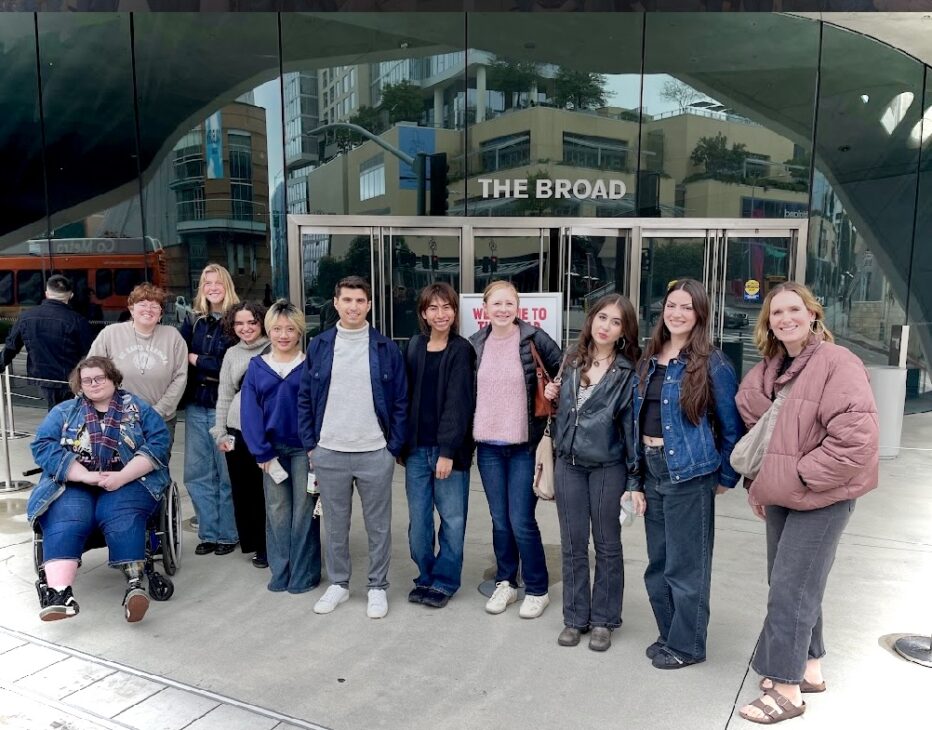
By Miguel Ortiz Garcia, AD&A Communications Intern
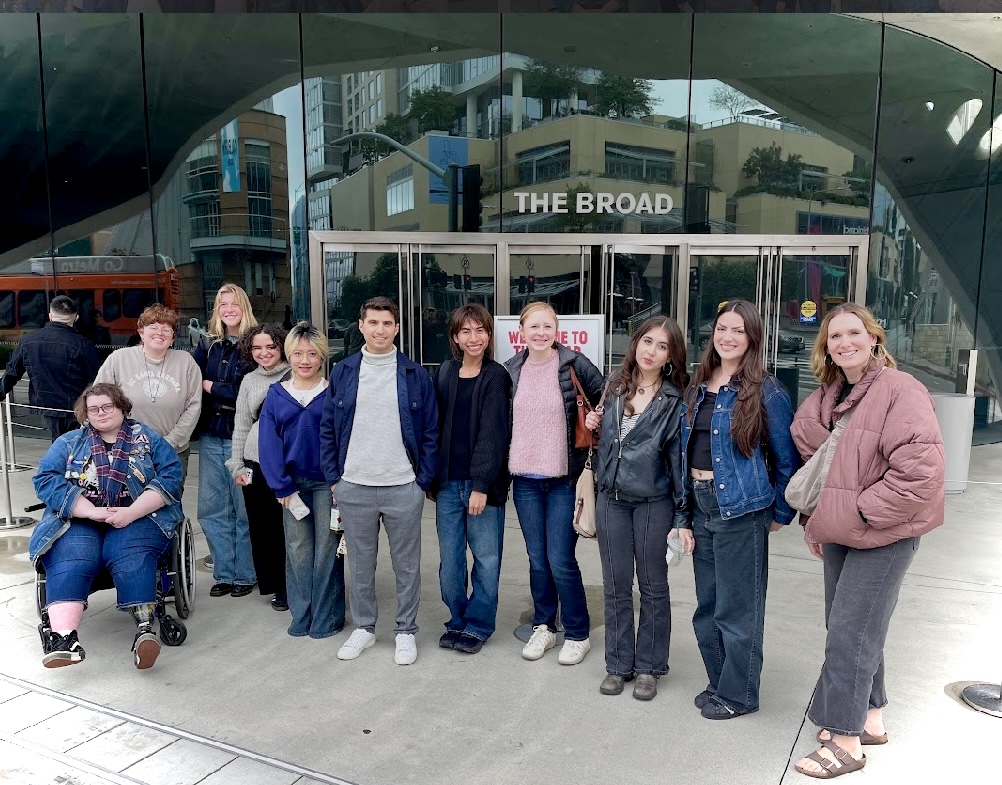
Our group of AD&A interns recently had the opportunity to tour two prestigious institutions in Downtown Los Angeles: The Broad and the Museum of Contemporary Art (MOCA). Upon arrival at The Broad, we were welcomed by Art Director Alexandra Garcia, who guided us through the temporary exhibition Joseph Beuys: In Defense of Nature. Garcia shared discoveries from her professional journey, describing her progression from forming a part of the Visitor Experience team to her current role as Art Director. Her key advice resonated with the group: remain open to opportunities, as career paths in museums often take unexpected turns. She emphasized the importance of learning from peers and encouraged interns to be proactive by asking questions and attending staff office hours whenever possible.
Our discussion continued with Registrar Caleb Gossett, who provided valuable insight into the intricate behind-the-scenes operations of museum work. Gossett emphasized the crucial role of communication in his position, detailing his extensive collaboration with various stakeholders. He works closely with museum fabricators to create essential display elements—including vitrines, shelving, display cases, and frames—for the Joseph Beuys: In Defense of Nature exhibition. His responsibilities extend to coordinating with lenders to ensure the safe arrival and proper handling of artworks and display items, while maintaining an ongoing dialogue with curators to refine exhibition strategies. Sharing his enthusiasm for the hands-on aspects of his role, Gossett described how he personally assisted in carefully positioning and installing several pieces for the Joseph Beuys exhibition, giving interns a glimpse into the physical demands and precision required in museum work. He also highlighted the importance of mastering collection management systems, noting how different institutions employ various systems based on their specific needs. The Broad, for instance, utilizes a specialized system that facilitates their frequent lending of artworks. Throughout our conversation, Gossett emphasized that successful exhibition management requires coordinated communication across multiple parties. He concluded by sharing both memorable experiences and challenging aspects of his position at The Broad, informing our group about the reality of registration work at a prestigious institution.

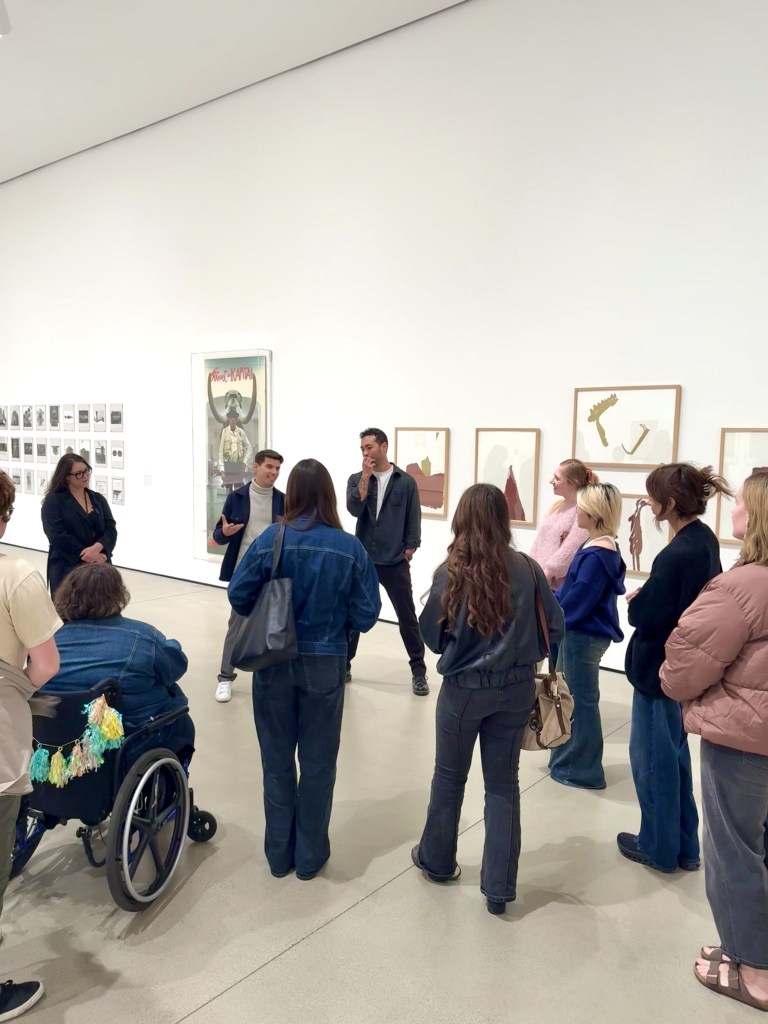
and Registrar Caleb Gossett discussing their work at The Broad.

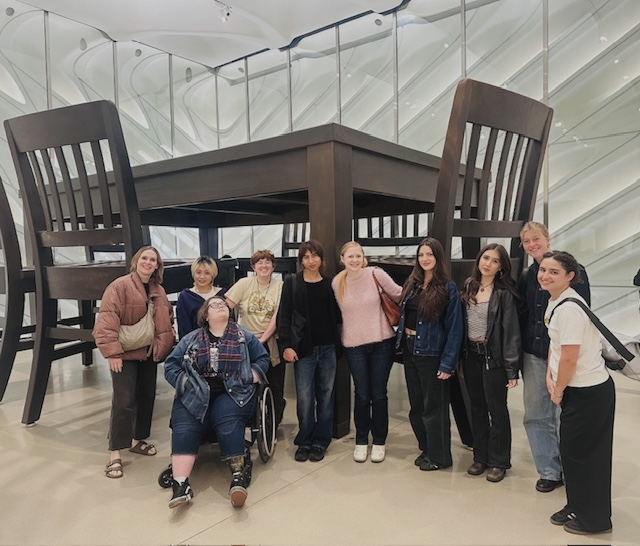
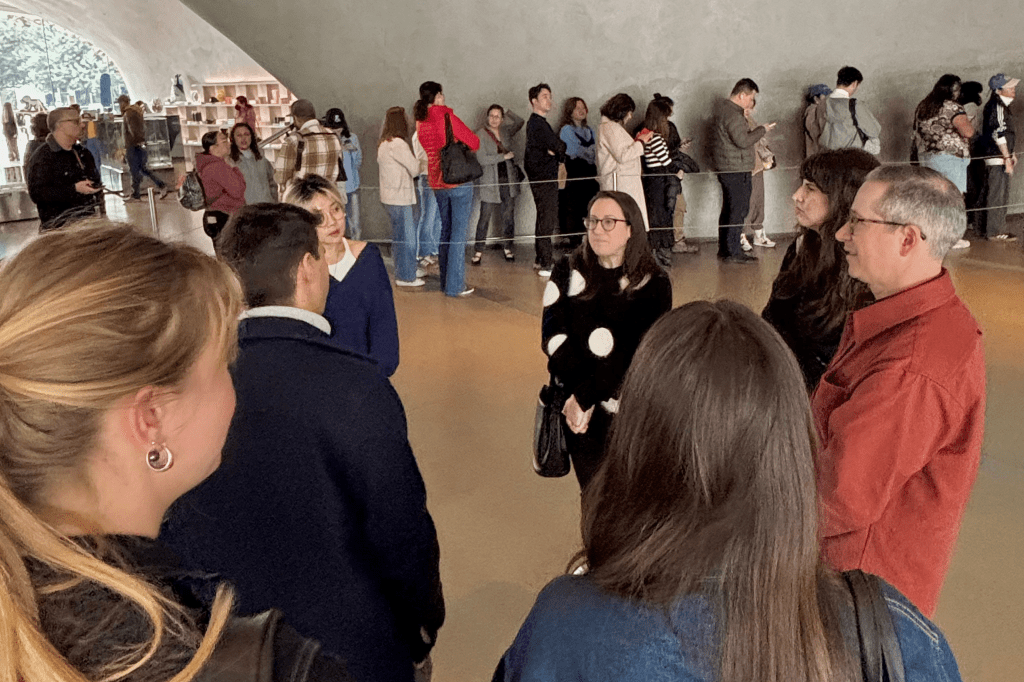
We then had the pleasure of an impromptu conversation with Andrea Gyorody, who serves as the Director of the Frederick R. Weisman Museum of Art at Pepperdine University. She shared how 2025 marks a decade since she wrote her dissertation on Joseph Beuys, The Medium and the Message: Art and Politics in the Work of Joseph Beuys, and how the decade has culminated with her help at The Broad for the temporary exhibition: Joseph Beuys: In Defense of Nature. The exhibition explores Joseph Beuys's belief in art as a catalyst for social and environmental change, a theme that feels ever more urgent in the face of today’s escalating climate crisis. Featuring over 400 works, the exhibition highlights Beuys’s philosophy of “social sculpture” and his commitment to reforestation as a form of activism.
Gyorody's generous sharing of her expertise and personal journey with our interns offered a compelling glimpse into how academic research can evolve into transformative museum exhibitions, leaving us inspired by both Beuys's enduring legacy and the vital role of contemporary museum leadership in bringing his environmental message to new audiences.


Our interns’ trip to Downtown Los Angeles concluded at the Museum of Contemporary Art (MOCA) Los Angeles, where Curator Anna Katz gave interns a masterclass on an exhibition tour. She curated Ordinary People—Photorealism and the Work of Art since 1968. She explained that the message behind this exhibition was to highlight the social and cultural significance of photorealism, a movement often misunderstood as merely technical or nostalgic. Katz emphasized how photorealism, emerging in the late 1960s, was not just about replicating photographs but about capturing the everyday lives of ordinary people, particularly those historically marginalized or excluded from the art world. The exhibition showcased works by over forty artists, spanning from 1968 to the present, and aimed to reframe photorealism as a vital and ongoing practice that bridges the gap between high art and everyday labor. Katz pointed out how the meticulous, time-intensive process of creating photorealist art mirrors the value of work and skill, resonating with a broad audience who see their own lives reflected in these detailed, lifelike representations. Through this lens, Ordinary People not only celebrates the technical prowess of photorealist artists but also highlights the movement’s role in democratizing art, making it accessible and relatable to people from all walks of life.
Throughout our visit, we met professionals who have carved unique paths in the museum world—Art Director Alexandra Garcia, Registrar Caleb Gossett, Director Andrea Gyorody, and Curator Anna Katz. Each professional offered valuable guidance, reminding us that success in the art world isn’t about following a single route but staying open, asking questions, and seizing opportunities. As our interns prepare for their own futures in museums and galleries, this experience served as both a behind-the-scenes look and a powerful reminder: the art world thrives on those willing to learn, adapt, and push boundaries.